
GMOs call for vigilance at our ports of entry
The unease in Nigeria over Genetically Modified Organisms (GMOs) agricultural practices and food has reached a proportion that deserves clarifications by the federal government. The stories on social media that crops whose DNAs have been altered through genetic engineering to produce new traits or characteristics have spread in the country. Farmers may be excited that […]
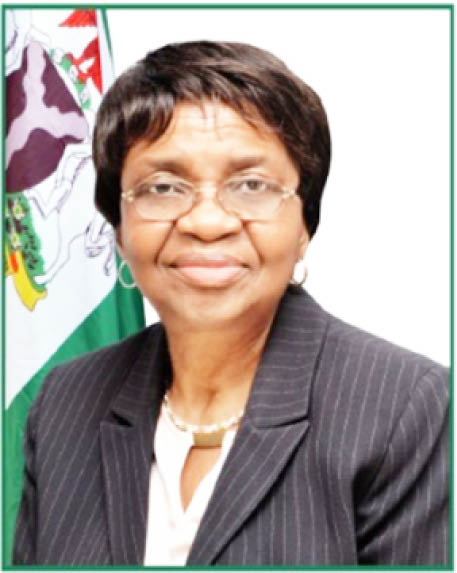
Director-General-of-NAFDAC-Mojisola-Adeyeye
The unease in Nigeria over Genetically Modified Organisms (GMOs) agricultural practices and food has reached a proportion that deserves clarifications by the federal government. The stories on social media that crops whose DNAs have been altered through genetic engineering to produce new traits or characteristics have spread in the country. Farmers may be excited that they have access to seedlings that have pest resistance, herbicide tolerance, enhanced nutritional value, or have improved yields of their crops. But Nigerians are apprehensive about the side effects of food from genetically modified technology. It is speculated that life-threatening diseases like cancer and bacterial resistant genes may be contained in some GMOs.
As reaction to the concerns about GMO food in Nigeria, a former Minister of State for Health, Dr Tunji Alausa (now Minister of Education), the Director-General/CEO of National Biosafety Management Agency (NBMA) Dr Agnes Yemisi Asagbra and the Director-General of the National Agency for Food and Drug Administration and Control (NAFDAC), Prof Mojisola Adeyeye, had a meeting last year. The three government agencies set up a Technical Working Group on the issue, with a promise that “no GM foods will be approved without thorough scientific safety assessments.”
Professor Adeyeye, speaking on national television recently, stated that “GMOs are genetically modified foods when it comes to food, and they are not bad for us. They’re not bad for us, depending on what type of foods they are and whether the safety considerations have been taken. We work in collaboration with the biosafety management agency. We have an MOU with them. They are mandated to ensure that the foods that have GMO are of quality, they are safe, and they are efficacious. Without them certifying that they have done their due diligence in their laboratory or for desk review or whatever, we cannot approve.”
The regulatory agencies in food and agriculture must do more to clarify the GMO status in Nigeria. It is speculated that there are crops like Bt maize in circulation. It is believed that the seedling has undergone modifications for pest resistance and drought tolerance. There is also the GMO cowpea which is genetically modified to resist Maruca pod borer, to enhance productivity and reduce crop loss. It is speculated that GMO cotton that is insect resistant and herbicide tolerant for textiles and cottonseed oil production is also in the country. Another GMO crop being discussed is the TELA Maize, also pest resistant and drought tolerant in order to boost the crop’s resilience in harsh climates. Apart from these seedlings not much has been explained to Nigerians about other genetically modified seedlings being informally introduced to farmers in Nigeria.
- Firm hands over 200 Housing Units in one year
- Nigeria, Colombia sign deal to deepen political, economic ties
From the perspective of policy measures, Nigeria has agencies responsible for the production and management of GMO seeds and foods. However, the main drawback is the laxity at the country’s ports of entry, which lead to the importation of unapproved seedlings and even food items. Over the years, so-called agricultural enthusiasts and big farm owners have imported pesticides, insecticides and seedlings into Nigeria’s agricultural setting without approval by government agencies. The failure of ginger in Kaduna State and Irish potatoes in Plateau State in recent years were linked to the negative effects of such practices.
We fear the importation of seeds that are not checked by relevant agencies is ongoing in Nigeria. In many countries, every seed or food is thoroughly scrutinized before anyone, no matter how prominent, is allowed to import them in either small or large quantities. Such countries have functional quarantine agencies with the facility to investigate and scan agricultural items for compliance and side effects. Our country has the Nigeria Agricultural Quarantine Service, which is responsible for scrutinising animals, plants, and aquatic resources before they are brought into Nigeria. But it is not clear if this agency has personnel and equipment at our airports, seaports and land borders to scrutinise items being imported into Nigeria.
With the growth in world population, negative effects of climate change on agricultural production, and breakthroughs in science and technology, genetically modified seedlings for greater agricultural yield and even food for human consumption has become inevitable. However, many countries are putting in place policies and practical measures to prevent harm to their citizens and environment. Some countries where pesticides, insecticides and herbicides to control diseases or improve yields are produced may not necessarily permit the use of such chemicals on their agricultural farms, due to their side effects. It has, therefore, become imperative for Nigeria to actively control GMOs instead of our seeming passivity towards it. The quarantine agency must be visible at our ports of entry to carry out their statutory role of regulating food items that enter this country. Laws and policies are not enough. There must be enforcement of these legal statutes at the country’s borders, else Nigerians will become vulnerable to the health and environmental risks posed by GMOs.