
Has President Tinubu been unfair to the North?
Nowadays, not a single day passes without a statement, mainly from northern political figures and commentators, complaining about how President Bola Ahmed Tinubu is shortchanging the northern region on project allocation, appointments, political marginalisation, and policy direction of his administration. Senator Ali Ndume, representing Borno South, has been the most strident and eloquent on this […]
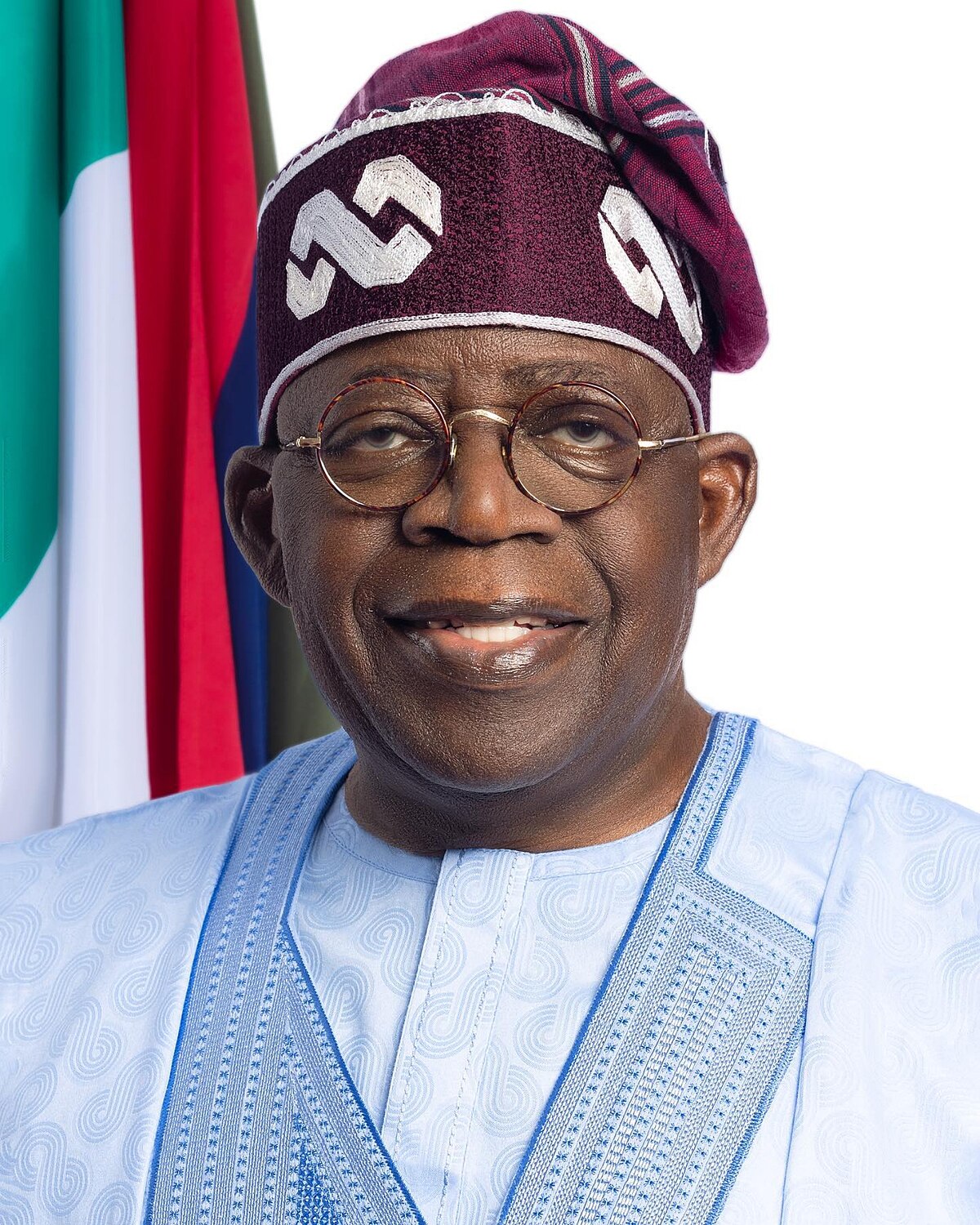
President Bola Ahmed Tinubu
Nowadays, not a single day passes without a statement, mainly from northern political figures and commentators, complaining about how President Bola Ahmed Tinubu is shortchanging the northern region on project allocation, appointments, political marginalisation, and policy direction of his administration.
Senator Ali Ndume, representing Borno South, has been the most strident and eloquent on this subject with his presentation of unimpeachable comparative facts and figures on projects the Tinubu administration had embarked on in the southern part of the country, particularly the South West region where the president comes from, vis-à-vis the North.
He has also forwarded a list of appointments showing how the southwestern part of the country had been unfairly favoured against other parts of the country, which goes against the principle of federal character in appointments and representation.
Senator Ndume is not alone in this northern crusade. Recently, senators and representatives from the North East geopolitical region of the country addressed the media on the subject of allocation of agricultural projects in the country, which left out the entire six states of the region.
- Experts harp on professionals for medical imaging services in Nigeria
- CAN seeks inclusion in Hisbah activities
For a region which is the largest in landmass and which is renowned for massive agricultural and livestock production, this oversight can only be deliberate and underscores the Tinubu administration’s policy of not only the North East but the North as a whole, said the North East legislators.
The feeling of unfairness by the Tinubu administration is the trending topic across the entire North in informal conversations among classes of people and in formal occasions involving the northern intelligentsia. There is an unmistakable feeling that President Tinubu’s unfair treatment of the North amounts to a betrayal of trust and non-recognition of the massive votes (about 60 per cent of the total tally) that the region gave him to enable his victory at the 2023 elections. But while the North is griping about what it regards as undeserving unfairness at the hands of the president, there are salient factors we should not gloss over on the subject.
How much of the unfairness against the North can be attributed to President Tinubu’s policies? Is the president the only source of the North’s misfortunes or are there other contributory sources? Why is the North moaning about unfairness just two years into the Tinubu administration, when northerners have been at the helm of affairs in the country for over 40 of the 65 years of the country’s independence? Why didn’t northerners, who have ruled the country institute policies that could have provided the necessary props for a northern economic transformation all this while, to complement the region’s political dominance in the country?
A partial answer to these posers has been provided by political cartoonist, Bulama Mustapha, in his caricature of northern political elite, which appeared on the Weekend Trust newspaper edition of penultimate weekend. In it, Mustapha showed several doors depicting the existential challenges of the region which needed to be addressed by the northern elite. These challenges included prevalent insecurity, poverty, education, the parlous state of the northern economy and the issue of political power. In the caricature, the northern elite were seen rushing towards the door marked ‘’Northern coalition to take over power’’. None of the elite was seen paying as much attention to the other doors.
In many ways, this has been the purpose and focus of northern political power control; seeking and exercising political power for its sake and not necessarily for the larger and more meaningful northern human development.
In the over 40 years that northerners have held power in this country, trillions of funds have accrued to the 19 northern states, enough to more than transform their land and people and Nigeria, by extension, into an industrial power. Many individual northerners have made money beyond their dreams and belief, but this has hardly trickled down to the northern masses to change their lives and the land for the better. Indeed, ironically, the more the northern elite got into the political power loop, the more the North lost its modest economic and social foundation.
The underlying reasons for the paradox of northern political power and regression in economic and social foundations are embedded in historical factors. At the dawn of the colonial era, the northern political and social structure was largely feudal; made up of the ruling aristocracy and a vast subservient peasant class who toiled as economic chattels and were socially beholden to the ruling class.
At the beginning of the colonial enterprise in Nigeria, the British subsumed the northern ruling aristocracy, allowing them the power to clamp the peasant class so as to ensure stability and continuity of the colonial administration.
Thus, while in other parts of the country there were little or no hindrances to the transforming economic and social changes that the colonial advent brought through education, in the North, this was largely restricted. While in the southern part of the country, the middle class was growing and expanding with people getting more educated and being absorbed into the growing Nigerian economy as engineers, technicians, doctors, administrators, and traders, the northern ruling aristocracy contrived to severely restrict the similar expansion of northern peasantry into the northern middle class.
The template for the restricted human capital development in the North worked so successfully during the colonial times that at independence in 1960, while there were hundreds of schools and institutions in the South, there were fewer than 50 such schools in the North. While in the South there were hundreds of lawyers, engineers, technicians etc., the North was grossly in deficit in these areas.
This pattern of deliberate human underdevelopment put the North at a disadvantage in critical sectors of Nigerian economic and social life, which exist till today.
At independence, when northerners led the government of Nigeria, they realised this factor and tried to introduce policies and measures to remedy the situation in the North. But it was too late because although northerners held political power in the country, there were not enough northern middle class to complement northern political power control in the country.
The coming to power of President Tinubu was not just power shift to the South, more significantly, it represented the coming of the South West into the centre of Nigerian politics. Before then, the South West had been content to play the opposition role in the country. Now that it had morphed fully into the centre of Nigerian politics, it should be expected that they will bring in the full complement of the south-western middle class into the available spaces they can find or create in the Nigerian political centre they now occupy through President Tinubu.
The North should also know that the South West will not leave the Nigerian political centre anytime soon and will ruthlessly restructure the Nigerian political space to ensure total dominance and control in the coming years. And what the North should also consider is that much of the political restructuring will come at its expense.
The reality that the North should face is not just about the political power that is now being ceded to President Tinubu, who is ruthlessly determined to restructure the Nigerian political economy to the advantage of where he hails from. What the North should do, more importantly, is to own up to the fact that the fault does not necessarily lie with President Tinubu, but more within. Organising to retake power without collectively facing up to and resolving the massive visible weaknesses and cracks prevalent in the North would yield little, even if the North succeeds in its bid.
President Tinubu has demonstrated, by his policies, how to use political power to advance group political and economic interests. This may look discomforting to others, but in the context of Nigerian politics and its exclusivist trajectory, this is the reality. The Northern elite, who have exercised political power in the country but did little to advance the progress of their region, should learn applicable lessons from that.