
How to stay safe, healthy during rainy season
As the rainy season intensifies across Nigeria, residents face a familiar mix of joy and fear – fear of flood and what it could mean for them. Typically lasting from March through October in most parts of the country, this season is marked by frequent thunderstorms, floods, unpredictable downpours and an increase in road accidents […]
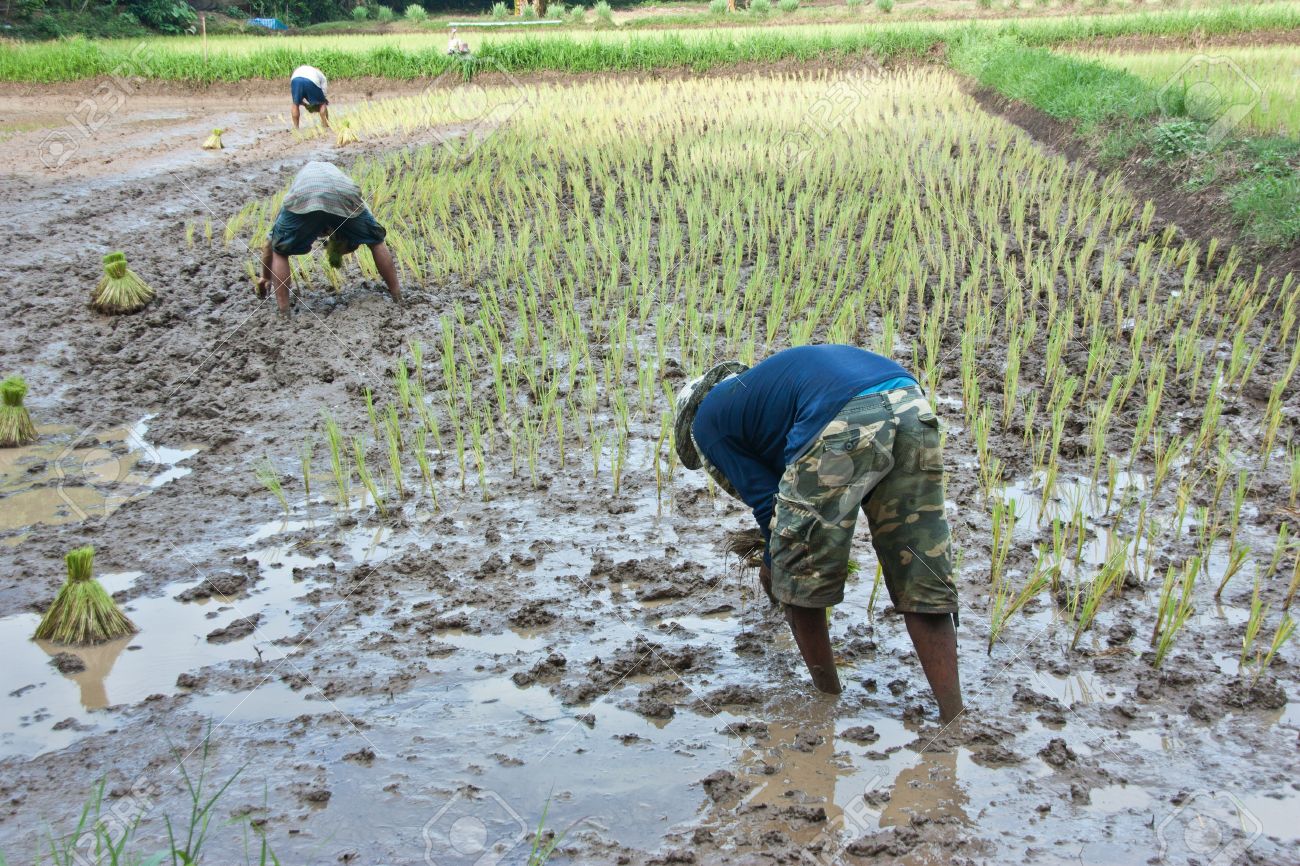
FILE PHOTO
As the rainy season intensifies across Nigeria, residents face a familiar mix of joy and fear – fear of flood and what it could mean for them.
Typically lasting from March through October in most parts of the country, this season is marked by frequent thunderstorms, floods, unpredictable downpours and an increase in road accidents due to some mistakes by drivers.
While the rains are a relief from the dry heat and parched farmlands, they also come with heightened threats of disease outbreaks, flooding and infrastructure failures and damages.
Health and emergency officials warn that without adequate preparation and awareness, the season can be especially dangerous for children, the elderly and residents of densely populated or flood-prone communities.
- After court order, INEC includes SDP as parties gear up for by-elections today
- ITF refutes relocation report, says headquarters remains in Plateau
In this piece, Weekend Trust highlights key tips on how to drive safe, protect your health and stay safe during this rainy season.
Guard against waterborne diseases
Heavy rains often overwhelm drainage systems and contaminate water sources. In rural communities, residents may rely on streams or hand-dug wells, while in urban areas, broken or leaking water pipes are prone to exposure and contamination. These conditions increase the risk of waterborne illnesses, such as cholera, typhoid fever and dysentery.
To stay safe, ensure that drinking water is boiled, filtered or treated with purification tablets. Avoid consuming water directly from open or untreated sources. Wash hands regularly with soap, especially before meals and after using the toilet. And keep food properly covered to prevent contamination by flies, which breed rapidly during this season.
Prevent Mosquito-Borne Infections
Malaria cases surge during the rainy season, driven by stagnant water in gutters, open containers and blocked drainage systems that serve as ideal breeding grounds for mosquitoes.
To reduce your risk, clear out standing water around your home and surroundings. Sleep under insecticide-treated mosquito nets, especially children and the elderly. Use mosquito repellents, wear long-sleeved clothing in the evenings and keep doors and windows shut at dusk. Children should also avoid playing outside late into the evening when mosquito activity is highest.
Beware of cold and respiratory illnesses
Frequent rainfall, damp indoor spaces and reduced sunlight contribute to longer drying times for laundry and increased susceptibility to flu, colds and pneumonia. Children and the elderly are especially vulnerable.
Wear warm, dry clothing (socks, sweaters etc) and change out of wet cloths immediately after being caught in the rain. Air out damp spaces and avoid using wet bedding. Drink warm fluids and include vitamin C-rich foods, such as oranges, pineapples and leafy greens in your meals to boost immunity. Cold beverages and cold baths are best avoided.
Stay safe on the roads
Road conditions often deteriorate during the rains. Poor visibility, flooded roads, slippery surfaces and hidden potholes contribute to increased accidents and injuries.
Drivers are advised to slow down, use headlights during heavy rain and avoid driving through deep or fast-flowing water. Pedestrians should watch out for uncovered manholes and open drainage channels that may be hidden by floodwater. Where possible, delay travel during storms or plan alternate routes in advance.
Flood preparedness is crucial
Flooding remains one of the most dangerous aspects of the rainy season, displacing thousands each year and damaging homes and businesses.
Residents in high-risk areas should prepare emergency kits containing dry clothes, raincoats, boots, medications, torches, batteries and essential documents in waterproof bags. Raise electrical appliances and valuables off the ground and stay alert for weather and flood warnings issued by the Nigeria Hydrological Services Agency (NIHSA) or the National Emergency Management Agency (NEMA). Community action such as cleaning blocked drains and gutters can help reduce flooding risk.
Practise good environmental hygiene
Rain often worsens existing sanitation issues, causing refuse to overflow and sewage to mix with surface water.
Avoid dumping refuse in drains or water channels and participate in neighbourhood clean-up exercises. Clear trash and weeds around your home regularly and report blocked drainage systems to local authorities. Maintaining a clean environment discourages the spread of flies, rodents and mosquitoes, improving health outcomes for the entire community.
Protect your skin and feet
Constant exposure to water, muddy ground and damp indoor floors can lead to skin infections, fungal growth and foot-related conditions.
Avoid walking barefoot, indoors or outdoors, especially on wet tiles or muddy surfaces. Wear water-resistant footwear outside and dry your feet thoroughly after exposure to rainwater. Indoors, wear socks or slippers. Apply antifungal creams or powders at the first sign of itching or skin changes and seek medical advice if symptoms persist.
Avoid electrical and fire hazards
Electricity and water are a deadly combination for tragedy. During heavy rains, electrocution and fires from faulty wiring are not uncommon, especially in older buildings.
Unplug electrical appliances during thunderstorms and avoid touching switches with wet hands. If you encounter exposed or fallen power lines, do not approach. Instead, report them immediately.
Plan ahead and stay informed
Because access to markets, roads or services may be limited during severe weather, it is advisable to stock up on essential items like non-perishable food, clean water, medications, fuel and batteries well in advance.
Keep phones charged and ensure you have backup power sources like power banks or generators. Monitor weather forecasts and emergency alerts from trusted media outlets, and stay in communication with neighbours, friends or local community groups in case of unexpected developments.
Dr Dave Okorafor, a medical practitioner based outside the country shared insights on the risks and illnesses heightened by the season.
“During the rainy season, there is usually a spike in the cases of waterborne diseases like cholera, dysentery and cholera owing to a greater tendency of water sources getting contaminated.
“In rural communities without potable water, streams and springs get contaminated, with surface water carrying all manner of wastes; example cow dung, human excreta etc. Even in some urban areas, sewers might overflow and foul up the environment. Sometimes, wells located near sewers may receive contaminated underground water.
“We also tend to have a greater number of malaria cases because mosquitoes breed in stagnant water in receptacles around homes during the rainy season,” he said.
He advised on the need to raise public awareness about preventable seasonal illnesses, emphasizing extra attention to food and water hygiene.
“Adults, especially parents, should pay extra attention to food and water hygiene. Contaminated drinking water and water used in food preparations are sources of the bacteria that cause cholera and typhoid fever. Cholera is particularly dangerous among the paediatric age group because it causes dehydration.
“There have been documented cases of cholera outbreaks in different parts of Nigeria, which claimed the lives of many children. Severe, poorly typhoid fever can cause intestinal perforation. This comes with high mortality.
“There are also illnesses caused by exposure to environmental allergy, especially pollen, which abounds in the rainy season. Of particular note is spring allergy, which comes with itchy eyes, conjunctivitis, runny nose etc.”
“Parents can take steps to mitigate the risk of these diseases by paying extraordinary attention to hygiene and making sure to boil drinking water. If possible, avoid open, untreated water. Common vegetables, such as garden eggs, edible leaves eaten raw and food prepared with them (such as abacha) should be avoided as much as possible.
“Ideally, every under-five child should be under a mosquito net, regardless of the season. This is crucial in preventing malaria. Empty tins and other receptacles should be upended to avoid inadvertent provision of breeding places for mosquitos. Gutters should be drained and covered, especially during the rainy season.
“The rainy season comes with cold, so extra effort should be made to keep children warm and less susceptible to allergic reactions and flu. For cholera, everything around its prevention pivots on hygiene as explained above.
“The rainy season is generally cold and humid. Asthmatics and people with atopy (genetically hyperactive airway) tend to have more episodes in cold weather. Cold air triggers these hypersensitive airways and causes them to constrict and secrete excess mucus. These two events make breathing difficult for asthmatics and people with atopy. Asthmatics and people with atopy should keep warm, avoid cold environments, and have an inhaler/ventolin tablet handy.
Pneumonia is not caused by cold weather per se; however, immunity is generally lower in cold weather. Secondly, because the common cold (an upper respiratory tract infection) is rampant in cold weather, cases of droplet infections that can lead to pneumonia (a lower respiratory tract infection) increase,” he added.
Driving tips during rainy season
The rainy season in Nigeria is here; and with downpours comes a significant hike in road accidents. Driving in the rain requires extra caution to ensure safety, even in harsh weather conditions. Here is how to stay safe while driving and avoid dangerous situations.
Drive slower than usual. Driving on high speed in the rain is a recipe for disaster. It increases the risk of skidding and the possibility of driving through deep potholes that can damage your vehicle or cause an accident, like collisions.
Check and service windshield wipers regularly as well as check your air conditioners and its vent to ensure that the cooling and heating systems are in good condition.
Make sure your wipers, air conditioners work properly. They are important to help improve visibility when driving in the rain.
Also, ensure that your headlights function properly, especially during the rainy season. This not only helps you to see the roads properly but also makes you visible to other drivers and helps you to avoid collision.
Most importantly, avoid flooded areas as most may be deeper than they appear. Driving through them can damage your engine or sweep your vehicle off course.
Just like the dos, there are equally don’ts motorists need to adhere to during this season.
Don’t make sudden movements like sudden braking, acceleration or steering as these can cause skidding on wet roads, which is dangerous.
Another important don’t is not to drive too close to other vehicles.
Wet roads increase stopping distances, and sudden braking can lead to collisions. Keep a safe distance behind the vehicle in front to give yourself enough time to react if they stop or swerve unexpectedly.
Always be at alert. Not everyone follows safety rules. Motorcyclists (okadas), buses and pedestrians may make sudden moves, especially when trying to avoid water or traffic. While trying to stay alert, also ensure that you do not get distracted by being on a phone call. If the general advice is not to be on phone while driving, then drivers should be extra careful to stay off phone calls while driving in the rain. If the call is important and can’t be ignored or postponed, find somewhere safe to park and make or take the call.
Also, never forget to use your seatbelt anytime you are driving.
On the Federal Road Safety Corp’s website, recently, the FRSC Corps Marshal Shehu Mohammed has urged drivers to take extra precautions during the rainy season due to poor visibility and slippery roads. He advised ensuring clean windshields, working lights and wipers, good tyres, and reduced speed. Drivers should use headlights when it rains and avoid driving if they can’t handle wet conditions. FRSC officers have been directed to step up public awareness and enforcement of safety measures.