
Kalu advocates debt cancellation for African nations
The Deputy Speaker of Nigeria’s House of Representatives, Benjamin Okezie Kalu, has called for debt cancellation mechanisms, including debt-for-development swaps, to alleviate Africa’s debt burden. Kalu, who led the Monetary & Financial Affairs Committee of the Pan-African Parliament (PAP) to European Parliament to discuss key issues affecting Africa’s economic development, also advocated for the renegotiation […]
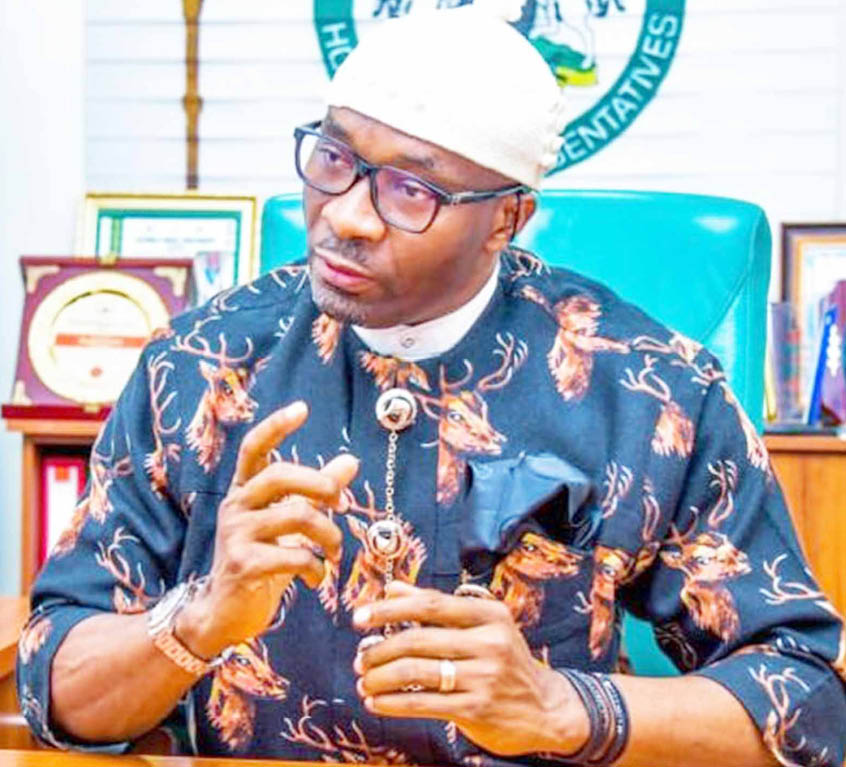
Benjamin Okezie Kalu
The Deputy Speaker of Nigeria’s House of Representatives, Benjamin Okezie Kalu, has called for debt cancellation mechanisms, including debt-for-development swaps, to alleviate Africa’s debt burden.
Kalu, who led the Monetary & Financial Affairs Committee of the Pan-African Parliament (PAP) to European Parliament to discuss key issues affecting Africa’s economic development, also advocated for the renegotiation of Economic Partnership Agreements (EPAs) to align with the African Continental Free Trade Area (AfCFTA) and support African industrial policy and reducing non-tariff barriers.
A statement by his Chief Press Secretary, Levinus Nwabughiogu, on Sunday, quoted him as making the call during a meeting with a Member of European Parliament, Fabio De Masi, on the sidelines of his working visit to the European Parliament in Brussels, Belgium.
The deputy speaker, who chairs the panel, highlighted the growing need for a more equitable and just partnership between Europe and Africa, focusing on economic justice, fair trade, and climate justice.
- Directors’ Institute elects new President
- FCT bus terminals ‘ll boost security in public transportation – Tinubu
He said, “This partnership offers a timely and transformative opportunity to reshape EU-Africa parliamentary relations through the lens of justice, equity, and structural change, a relationship built on the foundation of mutual respect, sustainable development, and shared values.
“Our key areas of collaboration will also focus on EU-AU joint advocacy for debt cancellation mechanisms, including debt-for-development swaps and parliamentary oversight on the African countries either in debt distress or at high risk of it, signalling the urgent need for reforms in global debt governance.
“Reform trade architecture by aligning EU-Africa Economic Partnership Agreements (EPAs) with AfCFTA, supporting African industrial policy, and reducing non-tariff barriers.
“With only 15% of Africa’s trade being intra-continental, while staggering 80% of its exports remain raw commodities (AfDB, 2024), it is imperative to emphasize the renegotiation of these EPAs to incorporate value chain localisation, intellectual property protection, and industrial policy space”.