
Nigeria to investigate claims of religious intimidation
The Nigerian government, on Friday, assured the United States of its commitment to upholding freedom of religion and expression, among other freedoms. The Ministry of Foreign Affairs gave this assurance in a statement signed by its acting spokesman, Kimiebi Imomotimi Ebienfa, saying any reports of threats or intimidation against religious leaders would be investigated and […]
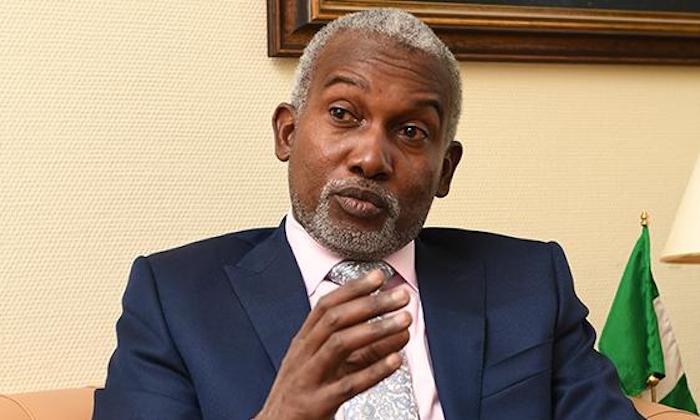
foreign affairs minister, tuggar
The Nigerian government, on Friday, assured the United States of its commitment to upholding freedom of religion and expression, among other freedoms.
The Ministry of Foreign Affairs gave this assurance in a statement signed by its acting spokesman, Kimiebi Imomotimi Ebienfa, saying any reports of threats or intimidation against religious leaders would be investigated and appropriate actions would be taken.
It expressed concerns over a recent social media publication by the United States Embassy, Abuja, regarding the security situation in Nigeria and the testimonies provided by Bishop Wilfred Anagbe and Rev. Fr. Remigius Ihyula, on the alleged threats that have arisen as a result of their testimonies at the U.S. Congressional Hearing on Religious Persecution in Nigeria.
It said though their testimonies misrepresented facts and oversimplified a deeply complex national challenge, the religious leaders were entitled to their opinions, freedom of expression, and association as enshrined in Nigeria’s constitution.
The statement, however, debunked claims of religious persecution in Nigeria, adding that the government had been actively tackling insecurity on multiple fronts over the years.
“The assertion that the Nigerian government has ‘allowed the violence to escalate unchecked’ is both inaccurate and unfair.
“The government has consistently taken decisive actions, including deploying security forces to areas affected by communal violence, engaging in peace-building efforts between farmers and herders, strengthening intelligence operations to track down criminal elements and implementing policies to address root causes, including land use reforms and economic development initiatives.
“It is important to state that, while challenges remain, it is incorrect to suggest that the Nigerian government has been inactive or indifferent. The reality is that Nigeria is fighting multiple security threats, including banditry, terrorism, and organised crime, all of which affect different communities irrespective of religion,” it said.