
Nigeria’s food crisis: What must change
The conflict between importing cheap rice and supporting local farmers and manufacturers is a long-standing policy dilemma in Nigeria. While import waivers make goods more affordable for consumers, they often threaten the survival of local industries. For example, Nigeria’s rice millers have raised the alarm over being crippled by rice import waivers, which flood the […]
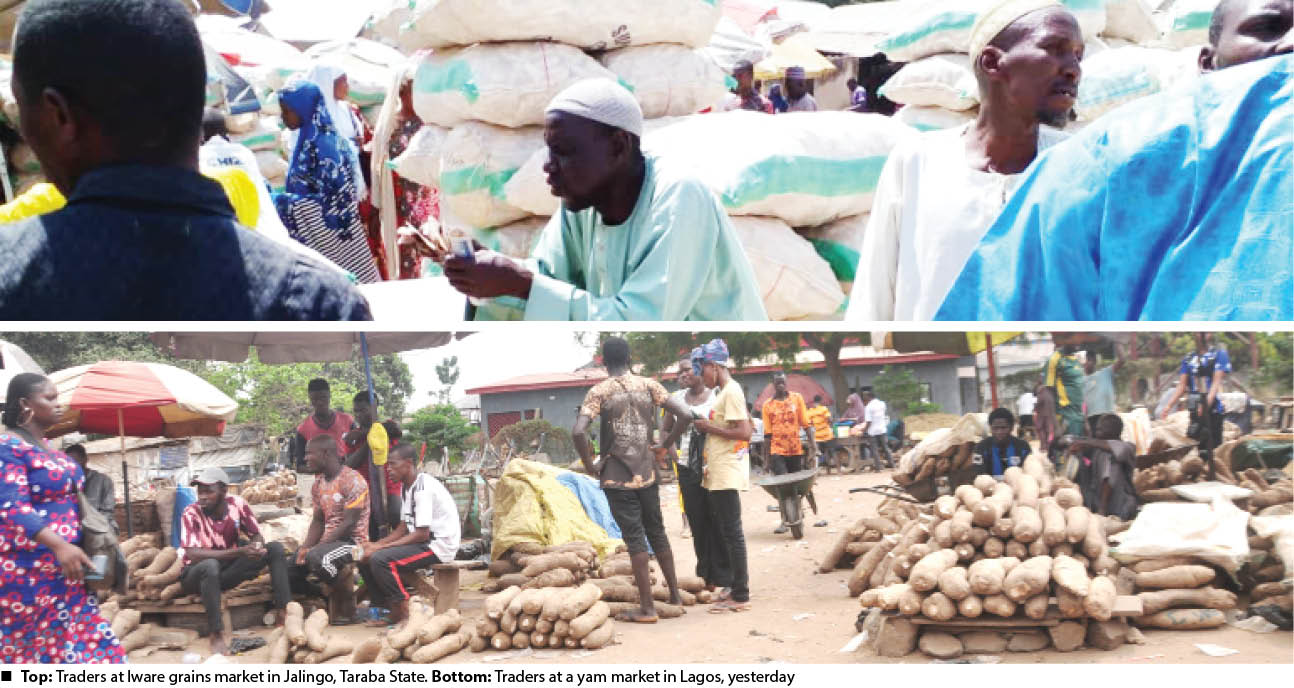
The conflict between importing cheap rice and supporting local farmers and manufacturers is a long-standing policy dilemma in Nigeria. While import waivers make goods more affordable for consumers, they often threaten the survival of local industries. For example, Nigeria’s rice millers have raised the alarm over being crippled by rice import waivers, which flood the market with cheaper alternatives from countries like India and Thailand.
On the other hand, when local manufacturers are protected from foreign competition, they often enjoy monopoly power, which they use to exploit consumers through high prices and low-quality products.
A clear example is the cement industry in Nigeria, where local producers benefit from import restrictions, yet the prices of cement remain significantly higher than global averages. Similarly, the sugar industry, shielded by the National Sugar Development Council’s policies, has seen price surges without corresponding improvements in supply or quality.
Now, prices of essential food items have skyrocketed: local rice sells above N100,000 per 50kg bag; beans go for N90,000+, and maize around N50,000.
- 2027: ADC vows to mobilise 35m voters to unseat APC, Tinubu
- Discordant tunes over ban on live political programmes in Kano
While these prices are high, they are not necessarily reflective of profit for farmers. The cost of inputs—fertiliser, pesticides, labour, transportation—has increased drastically. From 2014 to 2025, maize prices surged from around N9,000 to N57,000—a 530% increase. Yet, farmers are not making monopoly profits; often, they struggle to break even.
The deeper problem lies in market control. Most farmers sell immediately after harvest to those with capital—middlemen or large-scale traders—at cheap prices. These traders store the produce to resell when prices rise, either naturally or through artificial scarcity. In some cases, large-scale producers hoard their own harvests to manipulate supply. This structure creates food inflation without benefiting producers or consumers.
The market structure of these key staples—rice, maize, beans, millet—is characterised by low competition, high entry barriers, seasonal glut and scarcity, price manipulation, lack of organised supply chains, and weak regulation. While over 47 per cent of Nigerian farmers grow maize, we still face severe food crises. This paradox is worsened by inefficiencies, corruption and manipulation.
Government subsidies meant to help farmers are often hijacked by non-farmers. The Anchor Borrowers Programme under President Buhari is a clear example: over N1 trillion was disbursed, yet as of 2023, only about N500 billion has been repaid. Many real farmers didn’t benefit.
To resolve this crisis, a realistic and fair policy direction is needed:
Firstly, Nigeria must adopt gradual liberalization with strict benchmarks. Protection should only be granted when local producers demonstrate improved quality, lower prices and stable supply. Blanket bans without results only fuel monopoly and exploitation.
Secondly, instead of broad subsidies that get stolen or misused, targeted subsidies on inputs like fertiliser, improved seeds, and irrigation should go directly to verified small-scale farmers. Digital ID systems and local cooperatives can be used to monitor this.
Thirdly, Nigeria must encourage competition within domestic industries. When there’s internal competition, it reduces price manipulation and improves quality. No company or group should be allowed to dominate the market unchallenged.
Fourthly, enforce strong consumer protection laws and market regulation. Hoarding, price gouging, and artificial scarcity should carry heavy penalties. Government agencies must monitor and act swiftly to stabilise food prices.
Fifthly, the focus must shift from short-term relief through import waivers to long-term investment in local agricultural infrastructure. Storage facilities, transportation, mechanization, and access to affordable credit must be improved.
The question is not just whether to import or not—but how to structure our economy so that we break the power of market traitors who profit off the suffering of farmers and consumers alike. Importing goods should not kill our local industry, but if left unchecked, allowing manipulation and monopolies will.
The best path forward is to build a balanced system that supports production, regulates markets, ensures fairness, and protects the people.
Ibrahim is a graduate of Economics from Bayero University Kano and writes from Jigawa