
Why FCT natives are marginalised — Right activist
A human rights activist, Cesnabmihilo Dorothy Aken’Ova, has attributed the continued marginalisation of the FCT natives by successive governments to lack of unity among the nine indigenous tribes in the territory. Aken’Ova, who is the Executive Director of International Centre for Reproductive Health And Sexual Rights and also the presidential aspirant in the 2023 presidential […]
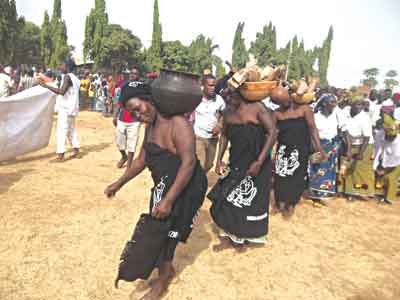
A human rights activist, Cesnabmihilo Dorothy Aken’Ova, has attributed the continued marginalisation of the FCT natives by successive governments to lack of unity among the nine indigenous tribes in the territory.
Aken’Ova, who is the Executive Director of International Centre for Reproductive Health And Sexual Rights and also the presidential aspirant in the 2023 presidential election on the platform of the Social Democratic Party (SDP) stated this at the maiden physical general meeting organised by the United Abuja Aboriginals (UAA), an umbrella body of the indigenous people of the FCT.
She said the systematic marginalisation of the indigenes of the FCT by the government over years has continued to create a notion among some Nigerians describing Abuja, as a no man’s land.
She said it was high time all the nine indigenous tribes, which comprised of Gbagyi, Ganagana, Koro, Bassa, Amuamua, Egbira, Gede, Gbari and Gwandara to come together to speak in one voice and pursue a single agenda in the interest of the future and the unborn generation.
- Zamfara residents pay millions for safety
- Nigerians can tell who’s criticising Tinubu just to grab power — Uba Sani
Also speaking, the leader of the United Abuja Aboriginals (UAA), Prince Danlami John Kaura, a native of Byazhin community in the Bwari Area Council, said the maiden general meeting was organised in order to bring together all the nine indigenous tribes across the six area councils of the FCT to deliberate and chart a way forward.